GLP-1 Medications and Acid Reflux Explained

Digestive problems are incredibly common when taking a GLP-1 for weight management. Many people experience nausea, bloating, and yes — acid reflux. Understanding the connection between GLP-1 medications and acid reflux is an important step in navigating the journey with confidence.
This article explains why acid reflux happens with GLP-1 therapy. It also covers the difference between gastroesophageal reflux disease (GERD) and laryngopharyngeal reflux (LPR), two distinct forms of reflux.
It will walk you through practical strategies that you can use with your clinical team to minimize side effects and stay on track with your health goals.
What Are GLP-1 Medications?
GLP-1 stands for glucagon-like peptide-1. These medications mimic a natural hormone your gut produces after eating. Originally developed for the management of type 2 diabetes, GLP-1 receptor agonists have become widely used for medical weight optimization as well.
They work in several important ways. First, they help the body release insulin in response to rising blood sugar levels. They also signal the brain that the stomach is full. Third — and this is key to understanding GLP-1 medications and acid reflux — they slow the rate at which the stomach empties food into the small intestine.
That slowing effect is called delayed gastric emptying. It’s largely responsible for why GLP-1 therapy helps reduce appetite and maintain steady blood sugar levels. However, it’s also the reason that reflux symptoms can develop or worsen during treatment.
How GLP-1 Medications and Acid Reflux Are Connected
When your stomach empties more slowly, food and stomach acid stay in the stomach longer than usual. Increased pressure inside the stomach can push acidic contents upward into the esophagus. That’s what we call acid reflux.
A 2025 population-based study published in the Annals of Internal Medicine found that people taking GLP-1 receptor agonists were 27% more likely to develop GERD than those taking a different class of diabetes medication. The same study also shows that GLP-1 users were 55% more likely to experience GERD-related complications over time.
Still, the relationship between GLP-1 medications and acid reflux is complex. Research to date indicates that GLP-1 medications don’t appear to increase stomach acid production directly.
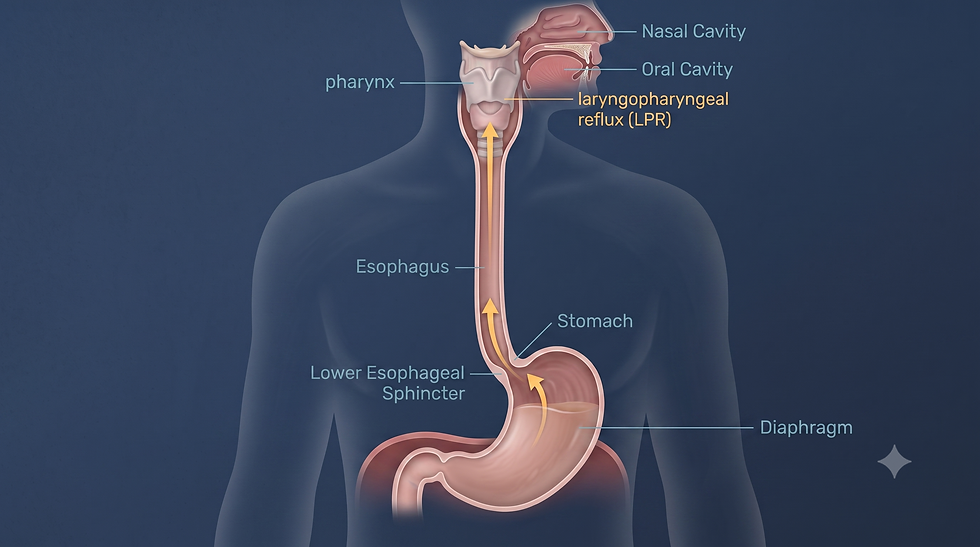
They also don’t seem to weaken the valve at the bottom of the esophagus, or lower esophageal sphincter, on their own. The primary driver of reflux appears to be delayed gastric emptying.
Weight loss is one of the most well-established treatments for GERD. So for many people, as GLP-1 therapy leads to sustained weight reduction, acid reflux symptoms may actually improve.
Understanding GERD: More Than Occasional Heartburn
GERD occurs when frequent reflux begins to damage the lining of the esophagus. Occasional heartburn is uncomfortable but usually harmless. GERD, by contrast, is a medical condition warranting clinical attention.
Common Symptoms of GERD
People with GERD often describe a burning sensation in the chest, especially after meals or when lying down. Some also report a sour or bitter taste in the mouth, frequent burping, and difficulty swallowing.
Untreated GERD can lead to serious complications. These include a condition called Barrett’s esophagus, in which the esophageal lining changes in response to chronic acid exposure.
Barrett’s esophagus is associated with an increased risk of esophageal cancer. This is why it’s so important to tell your provider about reflux symptoms rather than simply tolerating them.
Who Is at Higher Risk?
The 2025 Annals of Internal Medicine research noted that GERD risk with GLP-1 medications was higher among people who smoke, people with obesity, and those who already had existing stomach problems. Patients with these risk factors should work closely with their provider to monitor digestive health and address symptoms as soon as they occur.
What Is LPR? The Reflux You May Not Recognize
Beyond GERD, there is another form of acid reflux that many people on GLP-1 therapy may not immediately connect to their medication. It’s called laryngopharyngeal reflux, or LPR.
LPR occurs when stomach acid travels past the esophagus and reaches the throat and voice box. Because it rarely causes classic heartburn, LPR is sometimes called “silent reflux.” Nevertheless, it can cause significant discomfort and health consequences.

Symptoms of LPR
The symptoms of LPR are easy to mistake for other conditions. In fact, many people initially attribute them to seasonal allergies or a lingering cold. Common signs include chronic throat clearing, hoarseness or a raspy voice, a persistent sensation of something stuck in the throat, a chronic dry cough, and post-nasal drip.
The throat and voice box are more delicate tissues than the esophagus. Therefore, even small amounts of acid reaching those areas can cause notable irritation. For people experiencing these symptoms throughout GLP-1 therapy, it is worth discussing LPR with their provider.
Why GLP-1 Side Effects, GERD, and LPR Deserve Attention in Telehealth
GERD and LPR are among the most underreported side effects in telehealth GLP-1 programs.
Because these symptoms can be subtle or easily confused with unrelated issues, many people hesitate to bring them up. However, providers genuinely want to know. Managing these effects early prevents them from escalating into something more serious.
A skilled telehealth clinician typically asks about digestive symptoms at every check-in. If your program does not include that level of ongoing support, it may be time to find one that does.
Practical Strategies to Manage Reflux During GLP-1 Therapy
The good news is that acid reflux symptoms related to GLP-1 medications are manageable in most cases. Moreover, they often improve as your body adapts to the medication and as weight loss progresses. In the meantime, there are several evidence-informed approaches your provider may recommend.
Meal Timing and Portion Size
Eating smaller, more frequent meals puts less pressure on your stomach. Rather than three large meals, try four to five smaller ones spaced throughout the day. Beyond that, avoid eating within two to three hours of lying down, as gravity helps prevent stomach contents from entering the esophagus.

Dietary Adjustments
Certain foods are known to relax the lower esophageal sphincter or increase acid production. Common culprits include fatty or fried foods, spicy dishes, citrus fruits, tomatoes, chocolate, caffeine, and alcohol. Keeping a brief food journal can help you and your provider quickly identify your personal triggers.
Positioning and Lifestyle Changes
Elevating the head of your bed by 6 to 8 inches can make a meaningful difference in nighttime reflux. Sleeping on your left side may also reduce symptoms, as this position reduces the likelihood of acid traveling upward. Additionally, avoiding tight clothing around the waist after meals decreases abdominal pressure.
Medications Your Provider May Consider
Depending on the severity of your symptoms, your clinician may recommend over-the-counter antacids for occasional relief. For more persistent symptoms, proton pump inhibitors (PPIs) or H2 blockers are commonly used.
However, it’s worth noting that research published in 2025 found that PPIs don’t always outperform placebo for LPR symptoms. That means a personalized, multi-strategy approach is often most effective for that condition.
When to Contact Your Provider Right Away
While most cases of acid reflux caused by GLP-1 medications are manageable, some symptoms require prompt clinical evaluation. Side effects like difficulty swallowing, severe or unfamiliar chest pain, and vomiting blood or a material that resembles coffee grounds require immediate medical attention.
These symptoms may indicate that reflux has caused injury to your esophagus or another condition that needs attention. Your provider is your partner in making sure your weight management journey is as safe as it is effective.

The Role of Clinician-Guided Support in Managing GLP-1 Side Effects
One of the most important things you can do while on GLP-1 therapy is stay closely connected to your clinical team. GLP-1 side effects, GERD, and LPR in telehealth settings are best managed through ongoing communication — not just an initial prescription.
A well-designed, clinician-guided program includes regular check-ins where your provider reviews how you are feeling, not just how much weight you’ve lost. Your dose titration schedule, meal plan, and symptom management strategies should all evolve together as your body changes.
Telehealth makes this level of support accessible without the burden of in-person visits. Because you can connect with your provider from home, there’s no reason to wait through weeks of discomfort before receiving guidance. Early conversations lead to earlier solutions.
At The Healing Tree, our all-female clinical team provides comprehensive, ongoing support throughout your GLP-1 journey. We review your symptoms, adjust your plan as needed, and make sure your care reflects your whole picture rather than just a number on a scale.
If you have questions about GLP-1 medications and acid reflux, or if you’re wondering whether this approach to weight management is right for you, we invite you to schedule a consultation.

Key Takeaways
GLP-1 medications and acid reflux are connected primarily through the mechanism of delayed gastric emptying. Research shows a meaningful association between GLP-1 therapy and both GERD and LPR, though the relationship is nuanced and varies from person to person.
Importantly, the weight loss that GLP-1 therapy supports may ultimately improve these symptoms for many people.
Managing acid reflux while on GLP-1 therapy is achievable with the right strategies and the right clinical team. You deserve a program that treats the whole person — including how your medication feels in your body, not just what it does on paper.
Disclaimer: The content provided by The Healing Tree is for educational and informational purposes only and is not intended as medical advice, diagnosis, or treatment. Although our providers are board-certified Physician Associates, the consumption of this content does not establish a provider-patient relationship.
Medical weight optimization and hormone replacement therapy (HRT) require personalized clinical oversight. Always seek the advice of your health provider with any questions regarding a medical condition or before beginning a new health regimen. Never disregard professional medical advice or delay seeking it because of something you have read here.
The information presented in this article is based on peer-reviewed clinical research and evidence-based clinical guidelines in obesity medicine and metabolic health.
If you think you may be experiencing a medical emergency, call 911 or your local emergency services immediately.
Resources:
Azoulay L, et al. Glucagon-Like Peptide-1 Receptor Agonists and Risk for Gastroesophageal Reflux Disease in Patients With Type 2 Diabetes: A Population-Based Cohort Study. Ann Intern Med. 2025. https://pubmed.ncbi.nlm.nih.gov/40658955/
Lady Davis Institute. New study links GLP-1 receptor agonists to increased risk of gastroesophageal reflux disease (GERD) in type 2 diabetes patients. Jewish General Hospital; 2025. https://www.ladydavis.ca/en/new-study-links-glp-1-receptor-agonists-to-increased-risk-of-gastroesophageal-reflux-disease-gerd-in-type-2-diabetes-patients/
Camilleri M, Lupianez-Merly C. Effects of GLP-1 and other gut hormone receptors on the gastrointestinal tract and implications in clinical practice. Am J Gastroenterol. 2024;119:1028-1037. doi:10.14309/ajg.0000000000002519. Referenced in: https://www.acpjournals.org/doi/10.7326/ANNALS-24-03420
Fella Health. Does GLP-1 Cause Acid Reflux? Evidence and Management. 2025. https://www.fellahealth.com/guide/does-glp-1-cause-acid-reflux
Gelardi M, Giancaspro R, Fiorentino C, et al. Efficacy of dietary modifications and mucosal protectors in the treatment of laryngopharyngeal reflux: a multicenter study. Front Med. 2025;12:1488323. doi:10.3389/fmed.2025.1488323. https://www.ncbi.nlm.nih.gov/pmc/articles/PMC11808125/
Treatment for Laryngopharyngeal Reflux Disease: A Systematic Review of Controlled Studies. PMC. 2025. https://pmc.ncbi.nlm.nih.gov/articles/PMC12317251/
Cleveland Clinic. Laryngopharyngeal Reflux (LPR): What It Is, Symptoms, Treatment. https://my.clevelandclinic.org/health/diseases/15024-laryngopharyngeal-reflux-lpr
Cary Gastroenterology Associates. GLP-1 Medications and Digestive Health: What You Need to Know. 2025. https://www.carygastro.com/blog/glp-1-medications-and-digestive-health-what-you-need-to-know
Gastroenterology Journal. Glucagon-Like Peptide-1 Receptor Agonists and Gastrointestinal Adverse Events: A Systematic Review and Meta-Analysis. 2025. https://www.gastrojournal.org/article/S0016-5085(25)00845-5/abstract
Food Guides. Acid Reflux and GLP-1s: Understanding the Connection. 2025. https://foodguides.com/blogs/from-the-experts/acid-reflux-and-glp-1s-understanding-the-connection


Comments